OUR IMPACT
Turning Community Priorities into Lasting Change
At Fondation Amani na Afya (FAA), impact is measured not by the number of activities completed, but by the changes experienced by people, families, institutions, and communities. We work alongside communities to address interconnected challenges affecting health, rights, education, livelihoods, inclusion, and resilience. Our approach is locally led, rights-based, and evidence-driven, ensuring that communities are not only reached by solutions, but actively participate in designing, implementing, and sustaining them.
Our Impact at a Glance
3,600+
Girls with disabilities reached by 2030
Through disability-inclusive sexual and reproductive health and rights (SRHR) education, empowerment, safe spaces, and access to youth-friendly services.
3,600+
Girls with disabilities reached by 2030
Through disability-inclusive sexual and reproductive health and rights (SRHR) education, empowerment, safe spaces, and access to youth-friendly services.
500+
Teachers trained
Supporting teachers and school leaders to adopt more inclusive practices and create safer, more accessible learning environments.
500+
Parents & caregivers engaged
Strengthening family support, positive attitudes, protection, safeguarding, and inclusion for girls with disabilities.
200+
Health workers trained
Building the capacity of healthcare providers to deliver disability-inclusive, respectful, and responsive SRHR services.
What Change Looks Like
Empowered Girls
Every girl deserves knowledge, choice, dignity, and the opportunity to make informed decisions about her health and future.
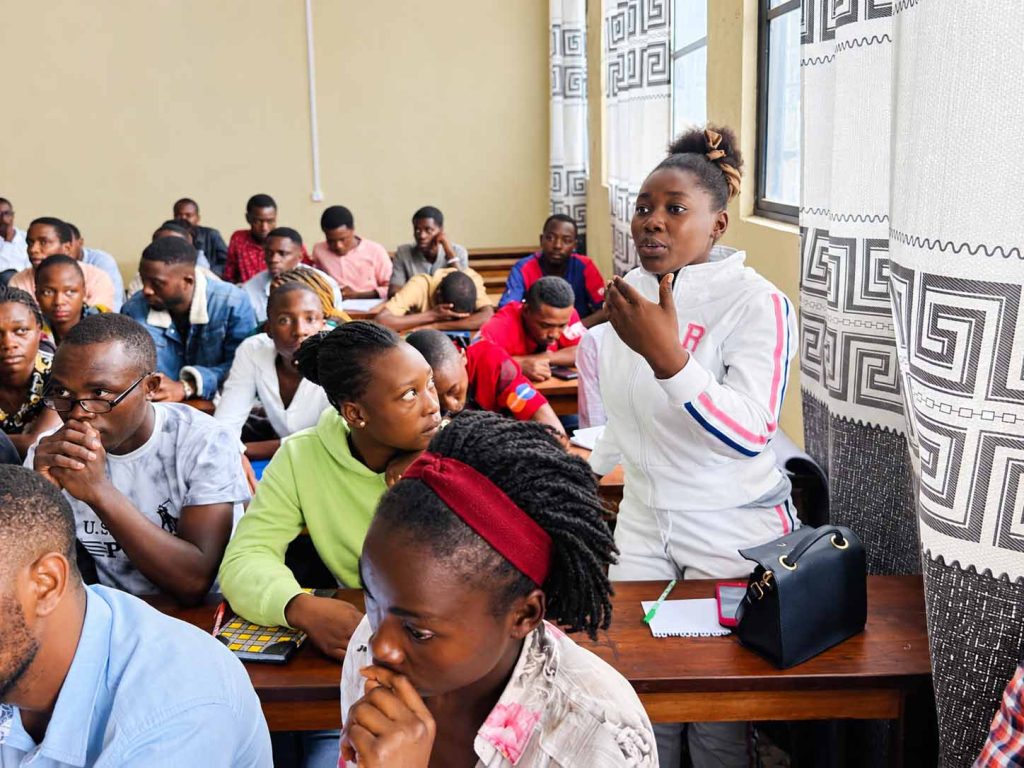
Through Sauti ya Dada clubs, safe spaces, mentorship, disability-inclusive sexuality education, menstrual health education, and SRHR awareness, FAA is supporting girls with disabilities to build knowledge, confidence, leadership, and agency.
By 2030, 3,600 girls with disabilities are expected to participate in empowerment and SRHR interventions across Goma, Nyiragongo, Ibanda, and Bagira.
Stronger Families
Families and caregivers play a critical role in creating supportive environments for girls with disabilities.
FAA works with parents and caregivers through family dialogue, positive parenting, protection and safeguarding sessions, while supporting household economic empowerment through VSLA approaches and livelihood opportunities.
The goal is to reduce stigma, strengthen family support, and enable households to contribute to better health, education, protection, and wellbeing outcomes.
Inclusive Schools
A school cannot be inclusive if children cannot access, participate, and learn safely.
FAA works with schools to identify accessibility barriers, strengthen teachers’ capacity, improve infrastructure, and establish inclusive SRHR clubs.
Our programme aims to strengthen 16 schools, including improvements such as accessible infrastructure, toilets and playgrounds, menstrual hygiene spaces, and disability-inclusive learning environments.
More Inclusive Health Services
Access to quality health services requires more than the existence of a health facility. Services must be physically accessible, responsive, respectful, and adapted to the needs of people with disabilities.
FAA works with health facilities to conduct accessibility assessments, strengthen health workers’ capacity, improve information and referral systems, and establish disability-inclusive, youth-friendly SRHR corners.
By 2030, 16 health facilities are targeted for strengthening, with 200 healthcare providers trained in disability-inclusive SRHR services.
Improved Menstrual Health & Dignity
Menstrual health is closely connected to dignity, health, education, and participation.
FAA supports girls with disabilities through menstrual health education, peer support, and menstrual hygiene management packages. The programme aims to provide 10,000 MHM kits annually, contributing to reduced menstrual-related absenteeism and improved school participation.
Stronger Communities
Lasting change depends on communities that are equipped to identify challenges, mobilize resources, and lead solutions.
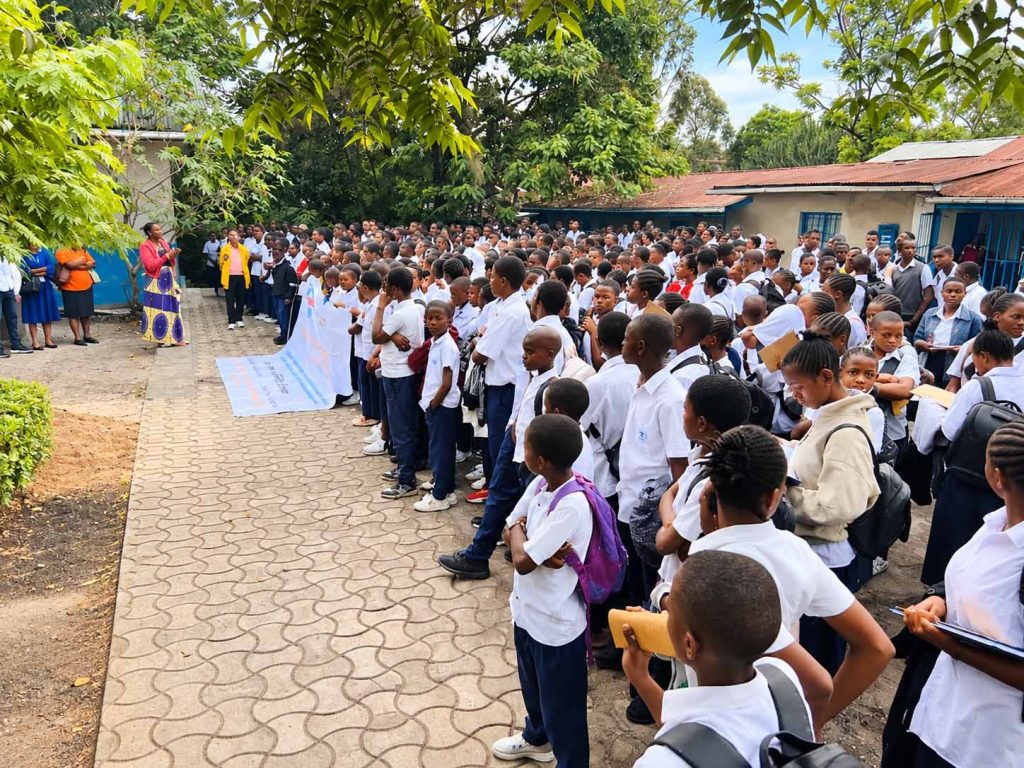
FAA works with community organizations, local institutions, leaders, families, schools, health facilities, organizations of persons with disabilities, and other partners to strengthen inclusive systems and shift harmful social norms.
Through community dialogue, advocacy, male engagement, local partnerships, and evidence generation, we support communities to become more inclusive and responsive.